Storage Facility Checklist: 15 Things to Inspect Before Renting |
| STORAGE FACILITY CHECKLIST: 15 THINGS TO INSPECT BEFORE RENTING
⏱ 10 min read ·
📄 #1,923 words
Use this 15-point storage facility inspection checklist to evaluate security, access, pricing, and unit condition before signing a rental agreement.
|
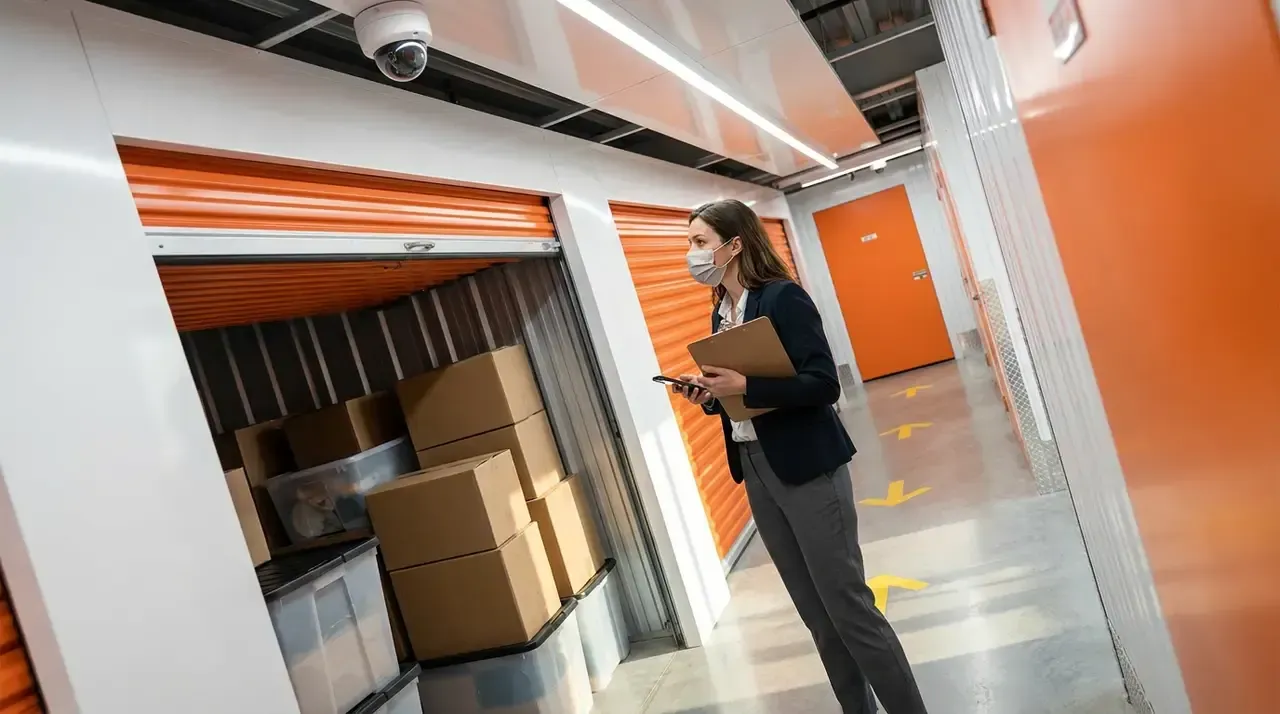
B efore signing a storage rental agreement, inspect these 15 factors in person: perimeter security, gate access systems, surveillance coverage, lighting quality, unit cleanliness, door seals, pest control evidence, drainage conditions, lease terms, insurance requirements, access hours, pricing transparency, payment options, staff responsiveness, and online management tools.
| Key Points: | |
|---|---|
| • | Visit facilities in person to verify security features including coded gate entry, perimeter fencing, and 24/7 video surveillance |
| • | Compare total monthly costs: base rent ($34 to $284 for common sizes), insurance ($10 to $25), and administrative fees |
| • | Inspect unit interiors for water stains, pest droppings, door seal integrity, and proper ventilation |
| • | Verify 24-hour access availability if you need to retrieve items outside standard business hours |
| • | Choose month-to-month leases with no deposit required to maintain flexibility and avoid long-term commitments |
Why a Pre-Rental Inspection Matters
According to the Move.org storage guide, renters who skip facility inspections report higher rates of damaged belongings and unexpected fees. A 20-minute walkthrough can reveal problems that online photos never show: musty odors indicating moisture issues, visible pest activity, or security gaps that put your belongings at risk.
The Self Storage Association reports that over 10% of American households currently rent a storage unit. With average rental durations exceeding 12 months, choosing the wrong facility costs renters hundreds of dollars in preventable damage and hidden fees. This checklist helps you evaluate any storage facility systematically.
Security Features to Verify (Items 1 to 5)
1. Perimeter Fencing and Gate Systems
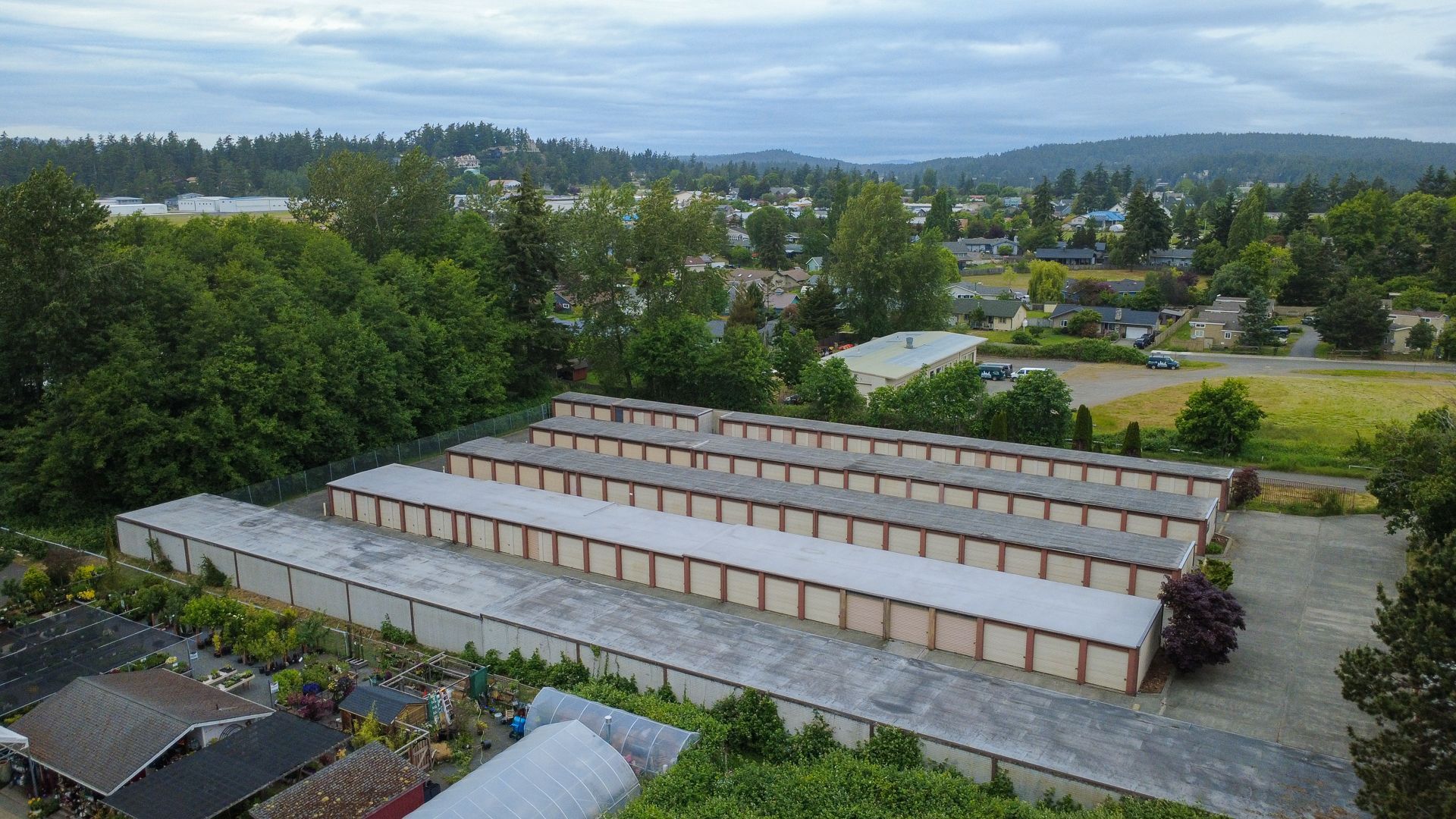
Inspect the property boundary for continuous fencing at least 6 feet tall. Chain-link fencing provides visibility for surveillance cameras, while solid fencing offers privacy. Look for signs of damage, gaps at ground level, or areas where someone could climb over easily.
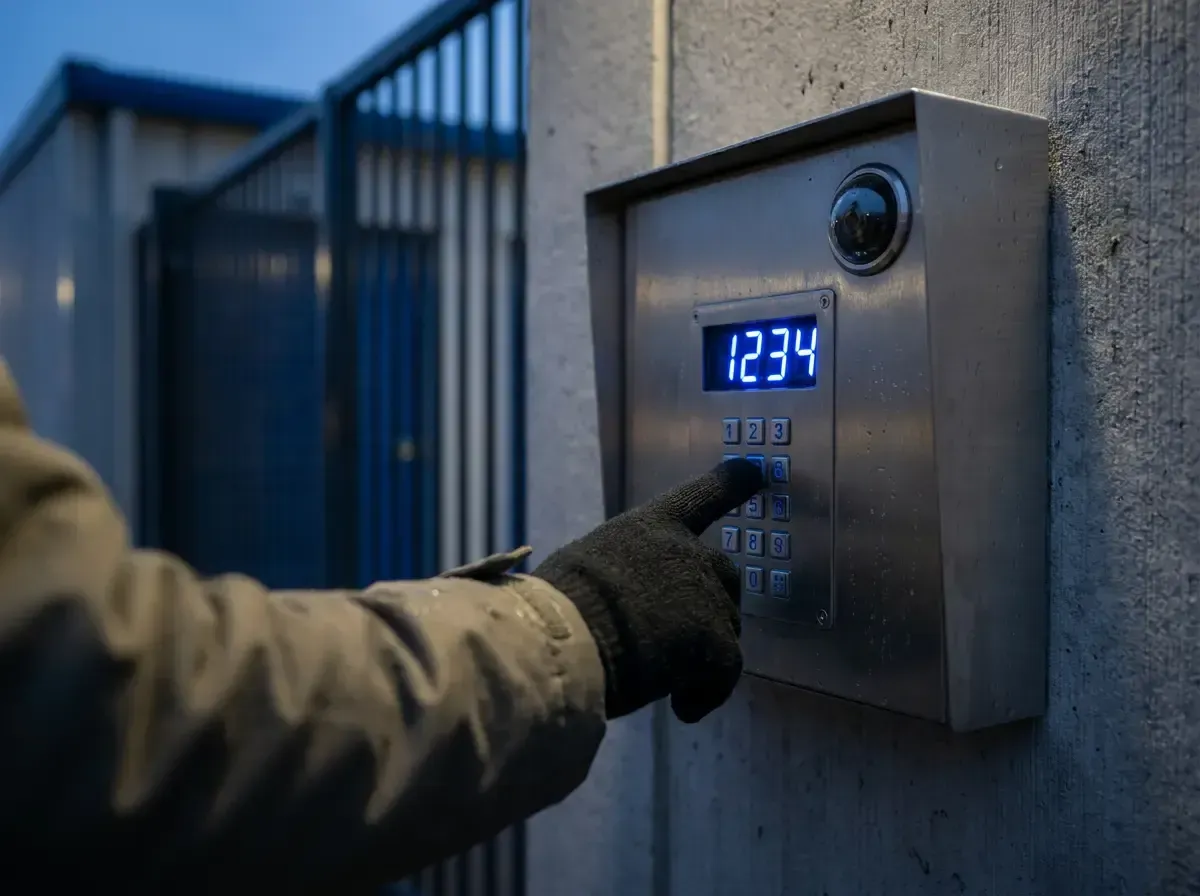
The entry gate should require a unique access code or keycard. Ask how often access codes are changed and whether the system logs entry and exit times. Facilities using individual tenant codes can identify exactly who accessed the property and when, which proves valuable if theft occurs.
2. Video Surveillance Coverage
Count the visible cameras and note their positions. Effective surveillance covers the entry gate, all drive aisles, building corners, and individual unit doors. Ask whether cameras record continuously or only when motion is detected. Continuous recording provides better evidence for insurance claims.
Verify that cameras are modern digital systems, not outdated analog equipment. Digital systems store footage for 30 to 90 days and provide clearer images for identifying individuals. Request information about how long footage is retained and who can access it.
3. Lighting Quality
Visit the facility after dark if possible. Well-lit properties deter criminal activity and make loading and unloading safer. Check for burned-out bulbs, dark corners between buildings, and adequate lighting inside covered areas. Motion-activated lights in less-trafficked areas indicate thoughtful security design.
4. On-Site Staff Presence
Staffed facilities during business hours provide an additional security layer. Ask about typical office hours and whether staff patrol the property regularly. Some facilities employ on-site managers who live at the property, providing 24-hour oversight.
5. Lock Requirements
Quality facilities require tenants to provide their own locks, ensuring only you have the key. Disc locks and cylinder locks resist cutting better than standard padlocks. Some facilities sell approved locks on-site. Avoid facilities that provide master-keyed locks, as multiple people may have access to your unit.
Unit Condition Inspection (Items 6 to 10)
6. Interior Cleanliness
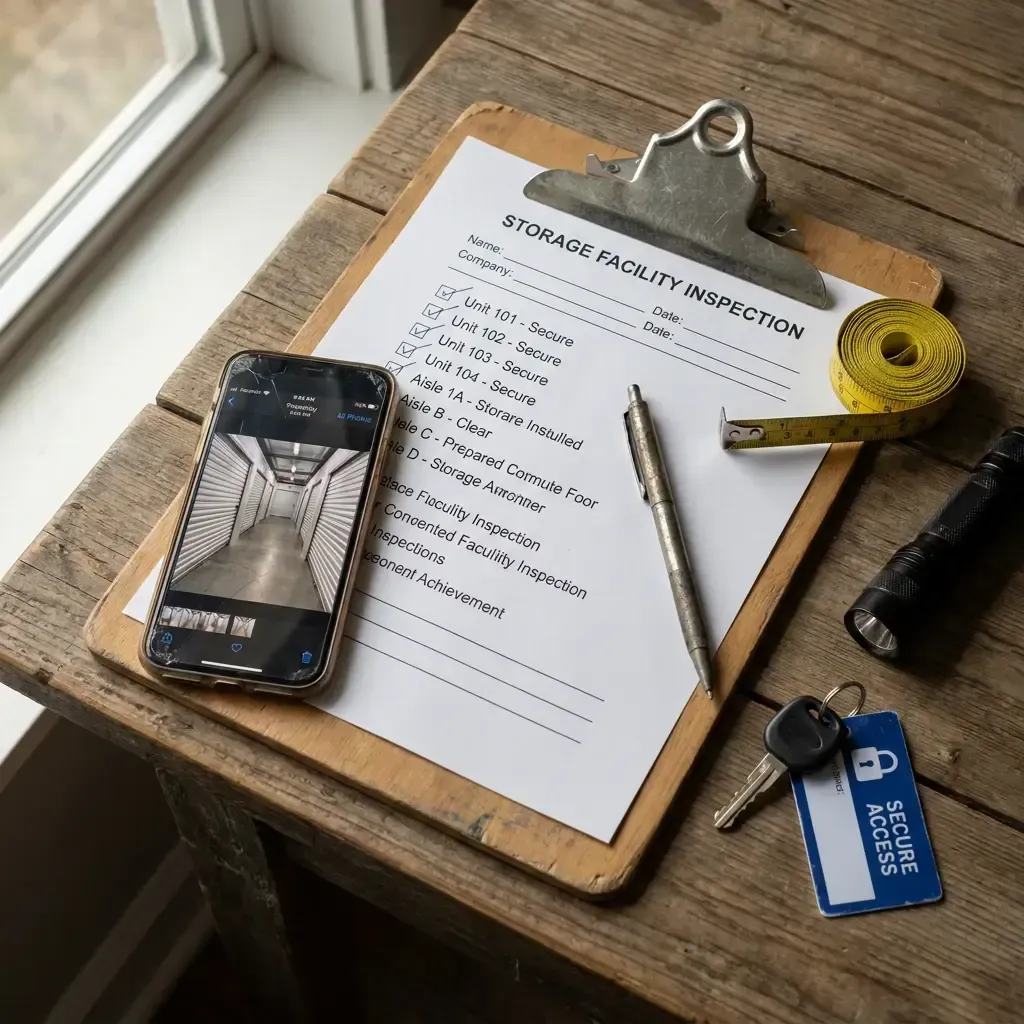
Enter the specific unit you will rent, not just a sample unit. Sweep the floor with your hand and check corners for debris, dust accumulation, or evidence of previous tenants' belongings. A clean unit indicates good property management and regular maintenance between tenants.
7. Water Damage Signs
Examine walls and ceilings for water stains, discoloration, or bubbling paint. Check the floor for warping or standing water residue. Ask when the roof was last replaced or repaired. Water damage causes mold growth within 24 to 48 hours in humid conditions, potentially destroying furniture, documents, and electronics.
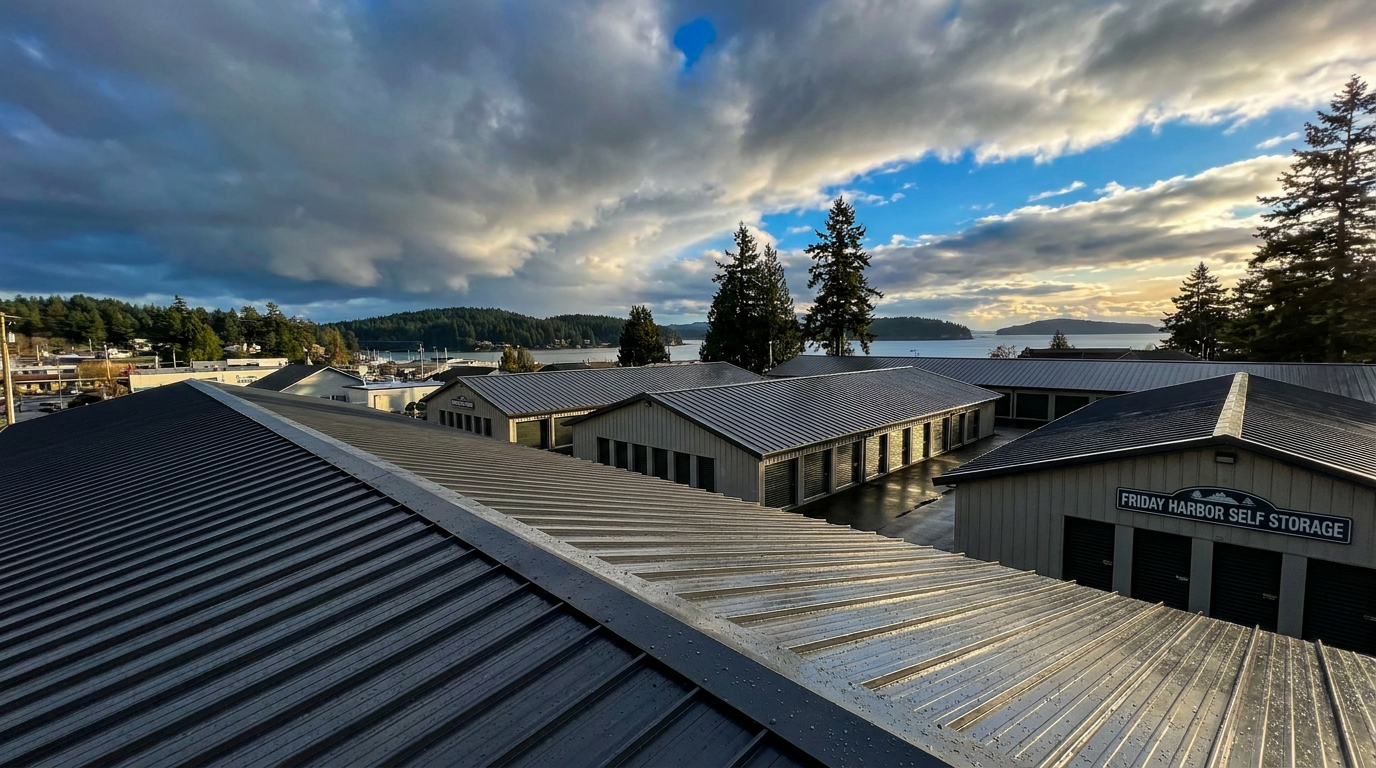
Facilities with new roofs and proper drainage systems protect your belongings better than older properties with deferred maintenance. At Friday Harbor Storage, all units feature new roofs and a fully paved, graded lot that prevents water pooling.
8. Door Seal Integrity
Close the unit door from inside and check for light gaps around the edges. Gaps allow dust, moisture, insects, and rodents to enter. The door should close smoothly without sticking and lock securely. Roll-up doors should operate quietly; grinding or scraping sounds indicate worn tracks or damaged panels.
9. Pest Control Evidence
Look for rodent droppings, insect casings, or gnaw marks on walls and door seals. Ask about the facility's pest control schedule and what company provides service. Professional pest control every 30 to 60 days is standard for well-maintained facilities. Avoid any unit showing active pest evidence.
10. Ventilation and Climate
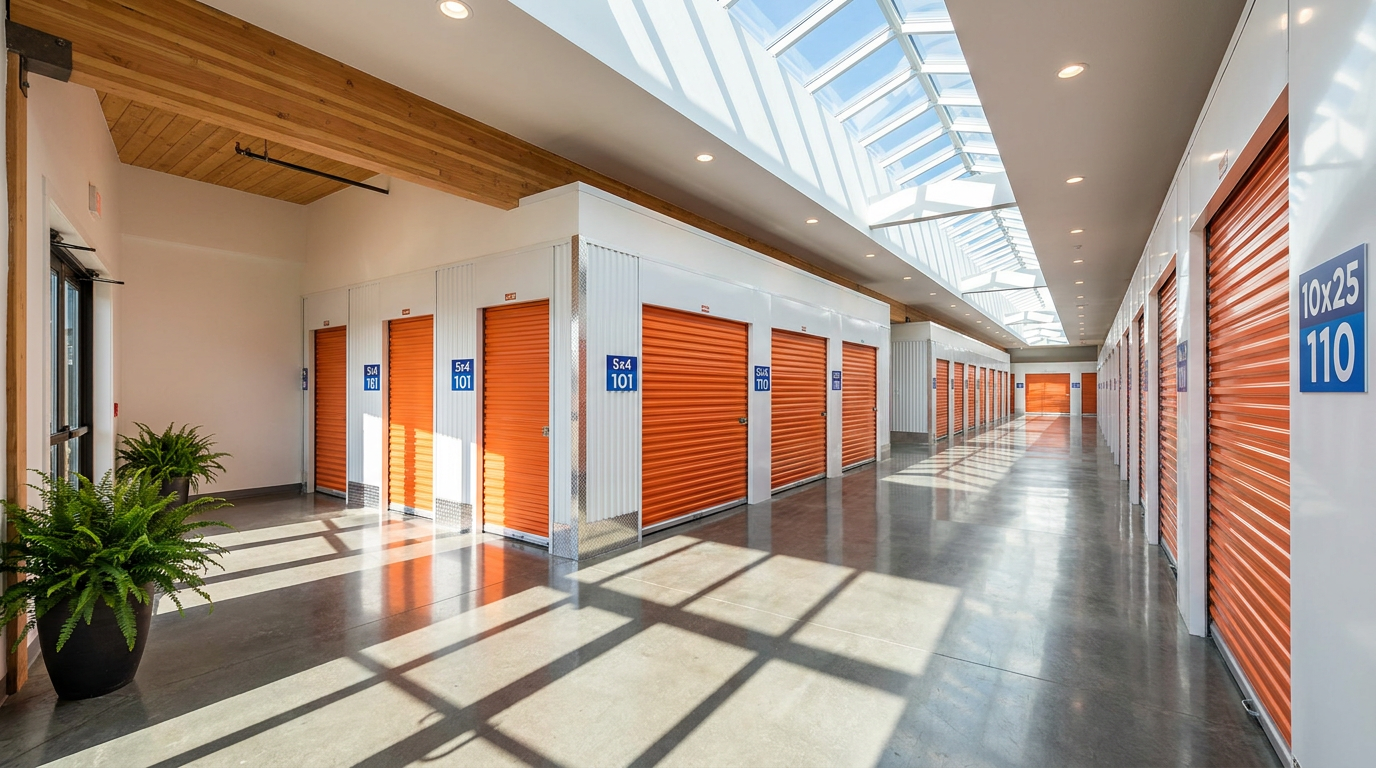
Notice the air quality inside the unit. Musty odors indicate moisture problems even without visible water damage. Standard outdoor units experience temperature fluctuations matching exterior conditions. For temperature-sensitive items like electronics, leather furniture, or documents, ask whether climate-controlled options are available.
San Juan Island's maritime climate brings moderate temperatures year-round, making outdoor drive-up units suitable for most household goods. However, items like wine collections, antique furniture, or musical instruments may require additional protection.
Access and Convenience (Items 11 to 12)
11. Access Hours
Standard facility hours range from 6 AM to 9 PM, but many renters need flexibility beyond these times. If you work irregular hours or need to load a boat trailer before an early morning departure, verify that 24-hour storage access is available.
Ask whether 24-hour access applies to all tenants or requires an upgraded rental tier. Some facilities restrict overnight access to certain unit sizes or charge additional fees. Get access policies in writing before signing.
12. Loading Convenience
Drive-up units allow you to park directly at your unit door, eliminating hallways, elevators, and loading docks. This matters significantly when moving heavy furniture, loading kayaks, or accessing business inventory frequently. Upper-floor units in multi-story buildings require elevator use, which can add 15 to 30 minutes per trip.
For island residents managing seasonal gear, boats, or contractor equipment, ground-level drive-up access simplifies every visit. You can back a truck or trailer directly to the door and load without carrying items across parking lots.
Pricing and Lease Terms (Items 13 to 15)
13. Total Cost Transparency
Request a complete breakdown of all charges before signing. Beyond the advertised monthly rate, facilities may charge:
| Fee Type | Typical Range | What to Ask |
|---|---|---|
| Administrative Fee | $15 to $30 one-time | Is this waived for online rentals? |
| Security Deposit | $0 to one month's rent | Is a deposit required? When is it refunded? |
| Insurance/Protection | $10 to $25 monthly | Is coverage required? Can I use my own policy? |
| Late Payment Fee | $10 to $50 per occurrence | How many days until late fees apply? |
| Lock Purchase | $12 to $25 one-time | Can I bring my own lock? |
According to Storage Star's rental guide, asking about rate increase policies upfront prevents surprises. Some facilities increase rates after promotional periods end or annually without notice. Get rate guarantee terms in writing.
14. Lease Flexibility
Month-to-month leases provide maximum flexibility, allowing you to vacate with 30 days notice without penalties. Long-term contracts (6 to 12 months) may offer lower rates but lock you in even if your needs change. For seasonal residents or those between homes, month-to-month terms prevent paying for unused months.
Ask about move-out procedures and notice requirements. Some facilities prorate final month charges; others require full month payment regardless of move-out date. Facilities requiring no deposit, like Friday Harbor Storage, reduce your upfront costs and simplify the rental process.
15. Insurance and Protection Requirements
Most facilities require proof of insurance covering stored belongings. Options include adding a rider to your homeowner's or renter's policy, purchasing the facility's tenant protection plan, or obtaining standalone storage insurance. Compare coverage limits, deductibles, and exclusions before deciding.
Tenant protection plans typically cover burglary, fire, water damage, rodent damage, and vandalism. Review exclusions carefully; most plans exclude flood damage, mysterious disappearance, and high-value items like jewelry, firearms, or currency. A tenant protection plan with a $100 deductible (waived for burglary when using a qualifying lock) provides affordable coverage for most stored belongings.
Questions to Ask the Facility Manager
Beyond physical inspection, these questions reveal operational quality:
- What happens if I lose my gate code? Good facilities have secure reset procedures that verify your identity.
- How do I report maintenance issues? Responsive facilities offer multiple contact methods and address problems within 24 to 48 hours.
- Can I receive deliveries at my unit? Some facilities accept packages; others prohibit third-party access entirely.
- What items are prohibited? Standard restrictions include hazardous materials, perishables, and living things. Get the complete list.
- How do I pay rent? Online payment options, autopay discounts, and multiple payment methods indicate modern management.
For answers to common storage questions, visit our storage FAQ page or contact the team directly.
Common Storage Unit Mistakes to Avoid
First-time renters frequently make these preventable errors:
Renting too small. Underestimating space needs forces awkward stacking and prevents access to items in the back. Use a storage unit size guide to match your belongings to the right unit. A 5x10 unit holds a small apartment's contents; a 10x20 accommodates a three-bedroom house.
Skipping insurance. Your homeowner's policy may not cover off-site storage. Verify coverage limits and consider facility protection plans for items exceeding standard policy limits.
Ignoring access hours. Renting a unit you cannot access when needed creates frustration. Contractors, boaters, and shift workers benefit from facilities offering unrestricted 24-hour access.
Choosing price over quality. The cheapest unit often has the worst security, maintenance, and customer service. A $20 monthly savings means nothing if water damage destroys $2,000 worth of furniture.
Not visiting in person. Online photos show facilities at their best. In-person visits reveal actual conditions, staff responsiveness, and neighborhood safety.
Special Considerations for Island Residents
San Juan Island residents face unique storage challenges. Ferry schedules limit access windows, making 24-hour facility availability essential for early departures or late returns. Seasonal visitors storing kayaks, fishing gear, or off-season furniture need flexible month-to-month terms without long-term commitments.
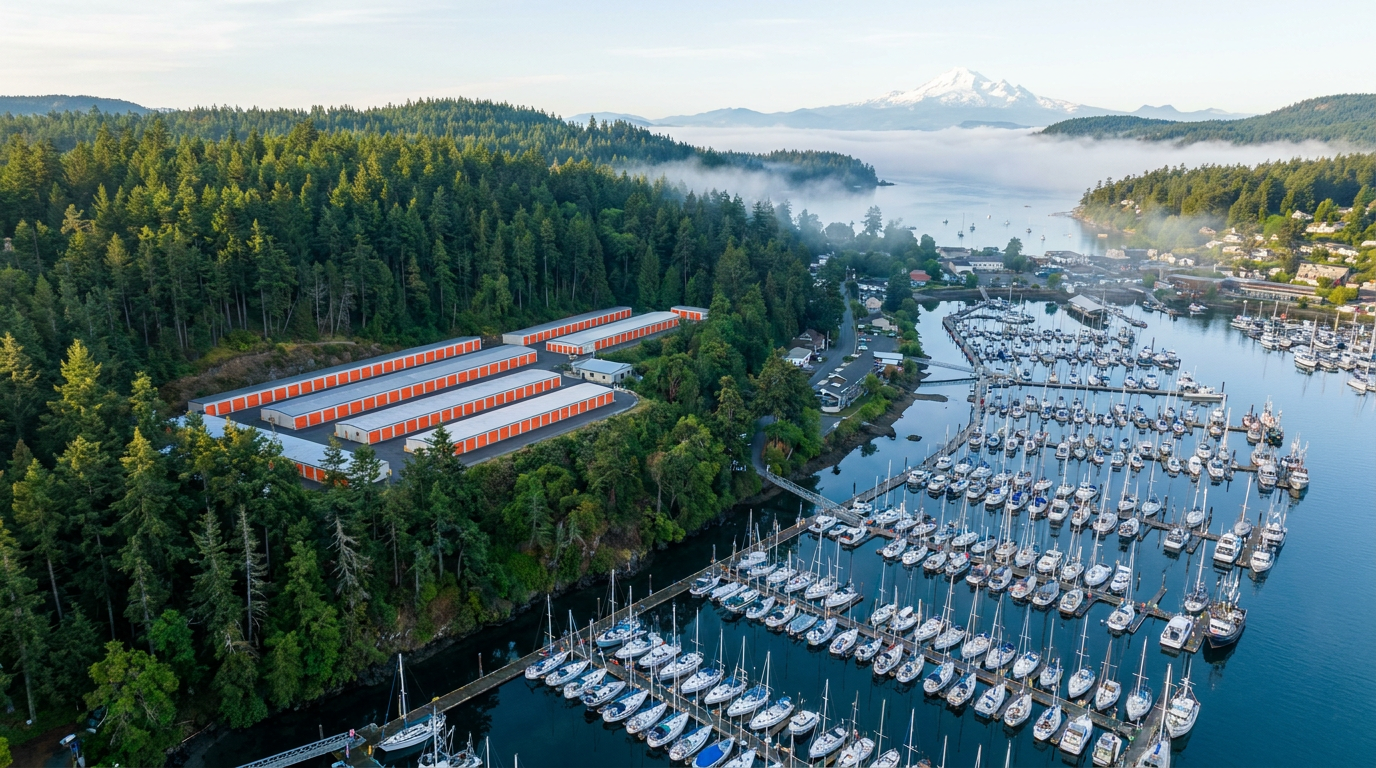
Residents of Orcas Island, Lopez Island, and Shaw Island often store items in Friday Harbor for convenient ferry access. Storage on San Juan Island serves neighbor-island customers who need secure space close to the inter-island ferry terminal.
Local contractors and businesses benefit from business storage options that accommodate tools, materials, and seasonal inventory. Drive-up access allows loading work trucks and trailers directly at the unit door.
Boaters seeking alternatives to expensive marina dry-storage find value in open-air boat parking at a fraction of marina rates. Paved, gated lots with 24-hour access accommodate trailerable boats, motorcycles, and second vehicles.
Your Pre-Rental Inspection Summary
Print this condensed checklist for your facility visit:
| Category | Items to Check |
|---|---|
| Security (1-5) | Perimeter fence, coded gate, camera coverage, lighting, lock requirements |
| Unit Condition (6-10) | Cleanliness, water stains, door seals, pest evidence, ventilation |
| Access (11-12) | Hours of operation, drive-up availability, elevator requirements |
| Terms (13-15) | Total costs, lease flexibility, insurance requirements |
A thorough inspection takes 20 to 30 minutes but prevents months of frustration with the wrong facility. Trust your observations: if something feels wrong during the visit, it will not improve after you sign the lease.
|