Storage Units in Friday Harbor, WA: Complete Local Guide |
| STORAGE UNITS IN FRIDAY HARBOR, WA: COMPLETE LOCAL GUIDE
⏱ 10 min read ·
📄 #1,949 words
Find storage units in Friday Harbor, WA. Compare unit sizes from 5x4 to 10x25, boat parking options, 24-hour access, and pricing for San Juan Island residents.
|
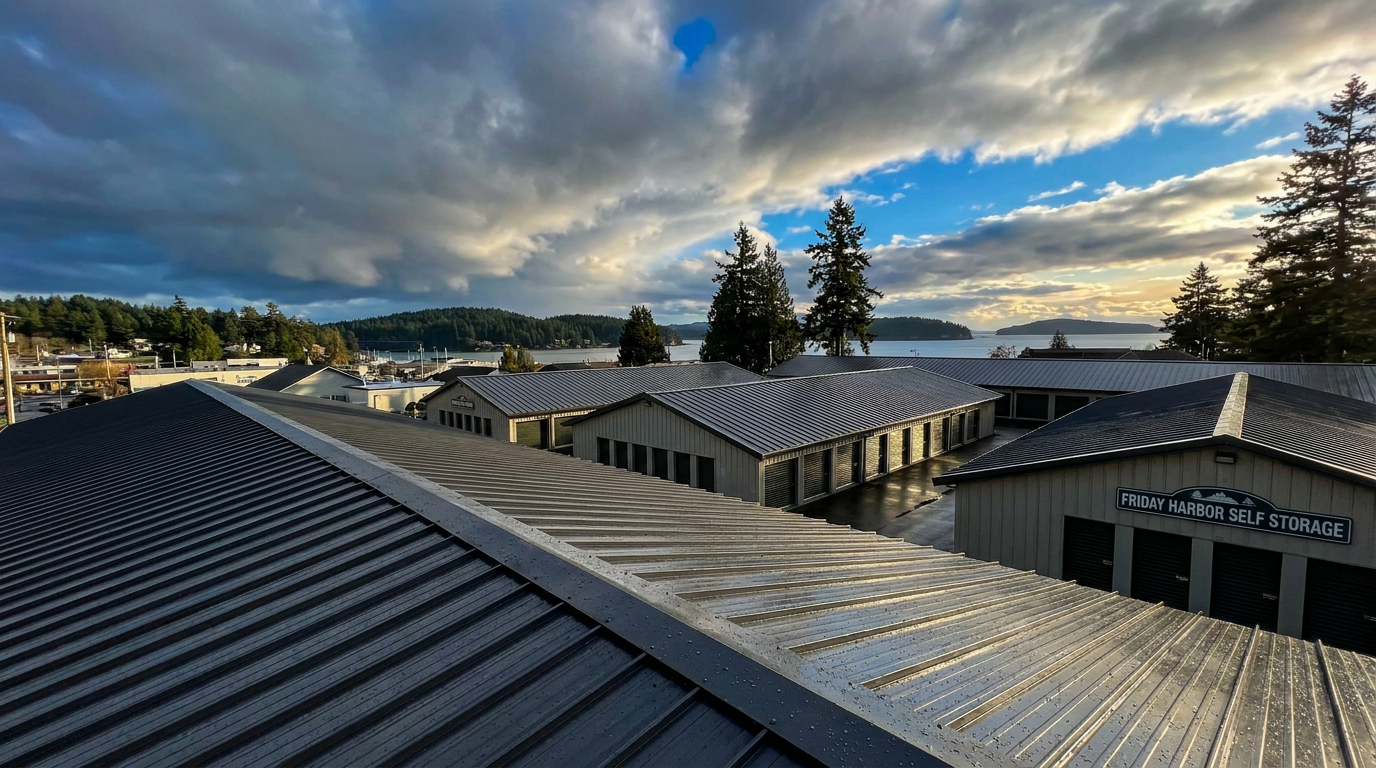
F riday Harbor offers self-storage options ranging from compact 5x4 units (20 square feet) to large 10x25 units (250 square feet), with monthly rates starting at $65 for small units and reaching $425 for the largest spaces. The only dedicated storage facility in town, Friday Harbor Storage, provides drive-up access, open-air boat and vehicle parking, and 24-hour entry for San Juan Island residents, seasonal homeowners, and neighbor-island customers from Orcas, Lopez, and Shaw Islands.
| Key Points: | |
|---|---|
| • | Unit sizes range from 5x4 (20 sq ft) to 10x25 (250 sq ft), fitting items from a few boxes to a 5-bedroom house |
| • | Open-air parking spaces (10x20) provide affordable boat and vehicle storage at a fraction of marina dry-storage rates |
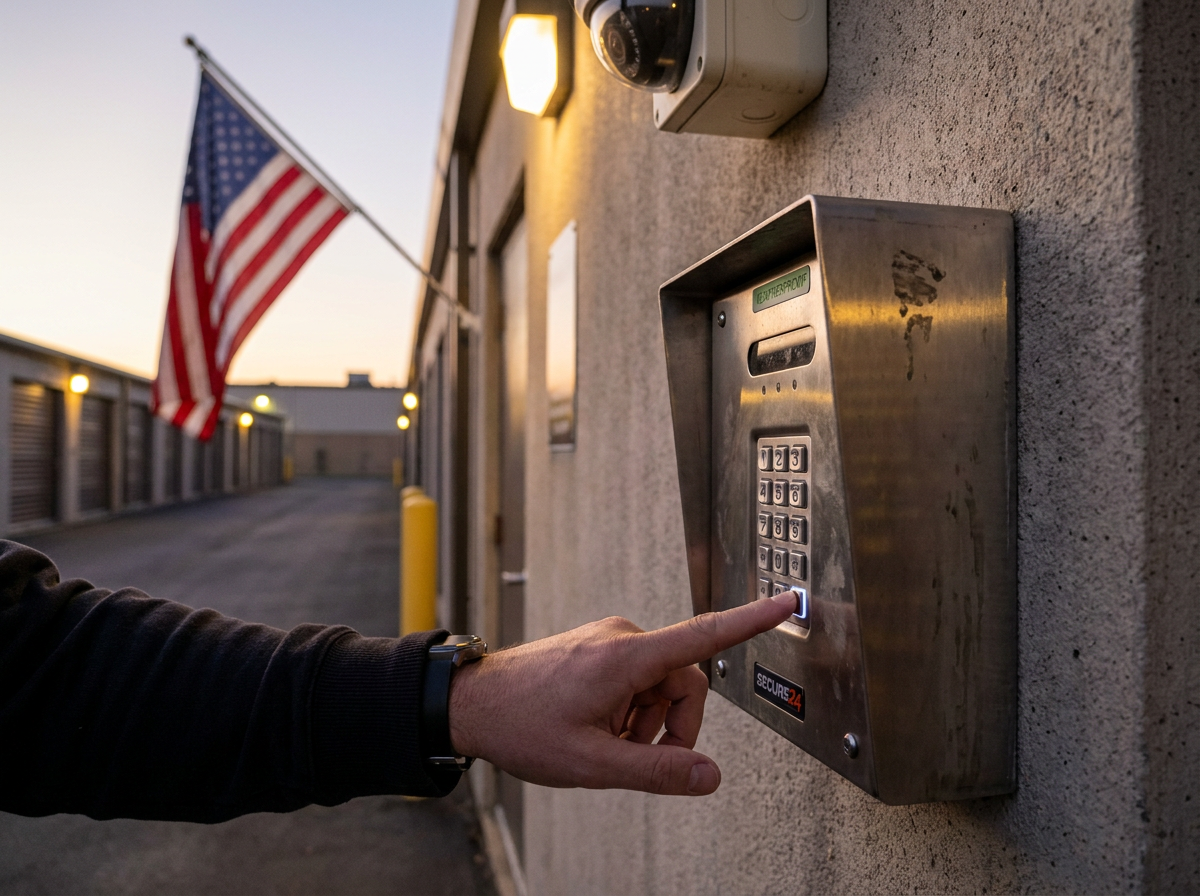
| • | 24-hour controlled-access gates allow ferry-dependent customers to retrieve items on any schedule |
| • | Month-to-month leases require no deposit, making seasonal storage practical for second-home owners |
| • | All units are ground-level drive-up, eliminating elevator waits and hallway navigation |
Why Storage Needs Differ on San Juan Island
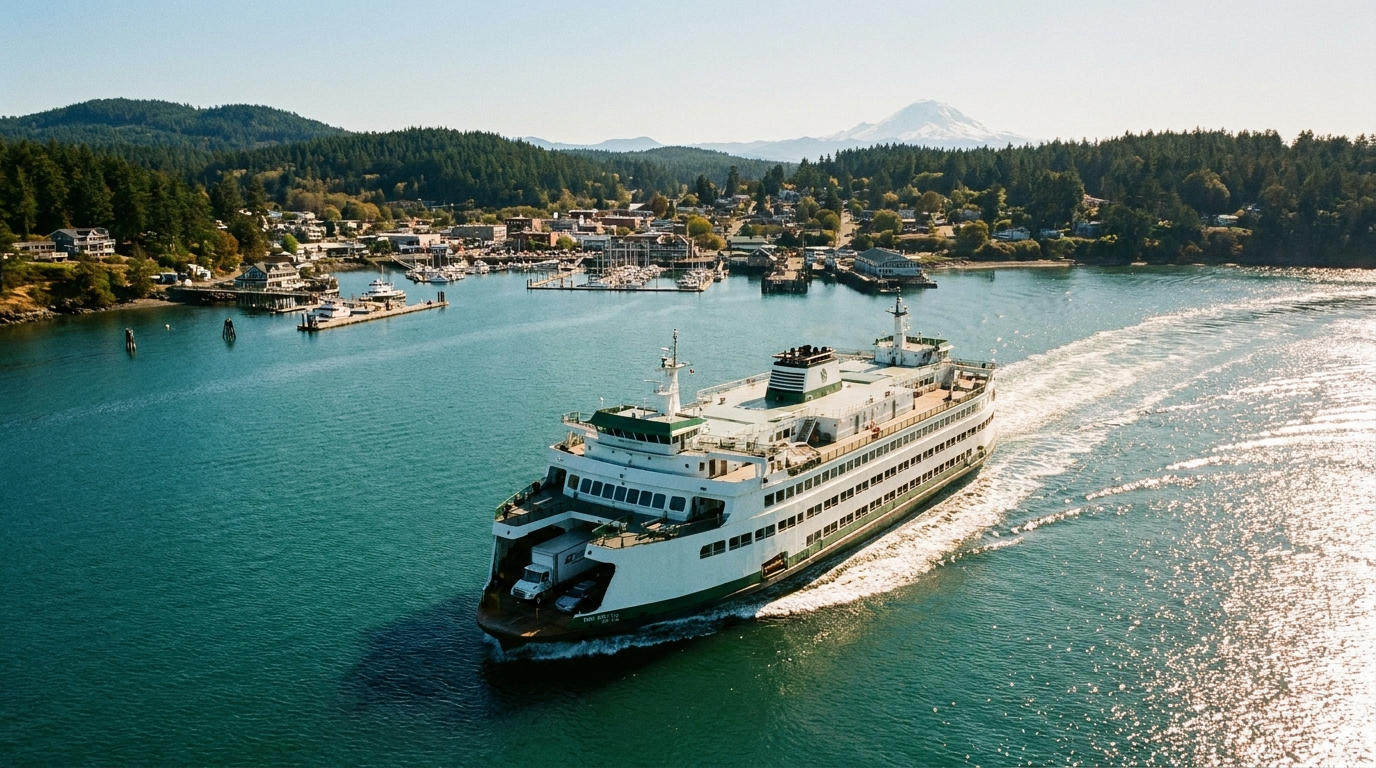
San Juan Island presents unique storage challenges that mainland facilities never face. The Washington State Ferries system connects Friday Harbor to Anacortes, but crossing times run 60 to 90 minutes each way, and summer reservations fill weeks in advance. This isolation means residents cannot easily rent a U-Haul truck from the mainland for a quick weekend project.
Seasonal population swings compound the issue. San Juan County's year-round population hovers around 18,000, but summer visitors push daily counts significantly higher. Second-home owners need somewhere to store kayaks, patio furniture, and seasonal gear between visits. Local contractors require accessible inventory space that accommodates early morning pickups before job sites open.
Unlike urban markets with dozens of competing facilities, Friday Harbor has limited options. This scarcity makes understanding available unit types, access policies, and pricing structures essential before committing to a lease.
Storage Unit Sizes and What They Hold
Choosing the correct unit size prevents both wasted money on excess space and frustrating overflow situations. The storage unit size guide at Friday Harbor Storage breaks down capacity by room equivalents, but here is a practical comparison:
| Unit Size | Square Feet | Capacity Equivalent | Best For |
|---|---|---|---|
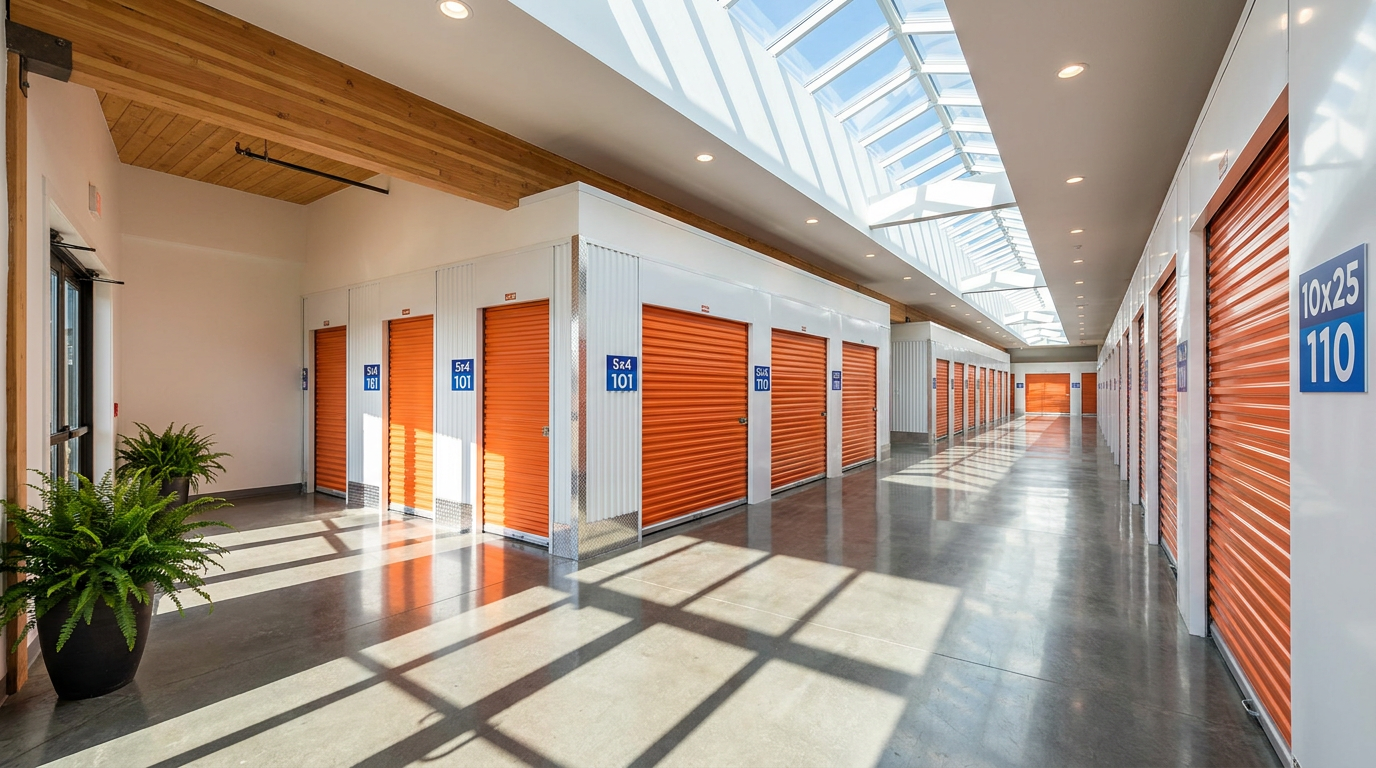
| 5x4 | 20 | Small closet | 10-15 boxes, seasonal decorations |
| 5x5 | 25 | Walk-in closet | Small furniture, garden tools, office supplies |
| 5x10 | 50 | Large shed | Studio apartment contents, mattress set, dresser |
| 10x10 | 100 | Half garage | 1-bedroom home, sofa, dining set, appliances |
| 10x15 | 150 | Large bedroom | 2-bedroom home, business inventory |
| 10x20 | 200 | Small garage | 3-4 bedroom home, staging during renovation |
| 10x25 | 250 | Large garage | 4-5 bedroom home, contractor equipment |
The 10x4 unit deserves special mention for island use. Its narrow 4-foot width accommodates lumber, ladders, kayak paddles, and fishing rods that need length rather than width. Contractors storing trim boards or PVC pipe find this configuration more practical than a square unit.
Boat and Vehicle Parking Options
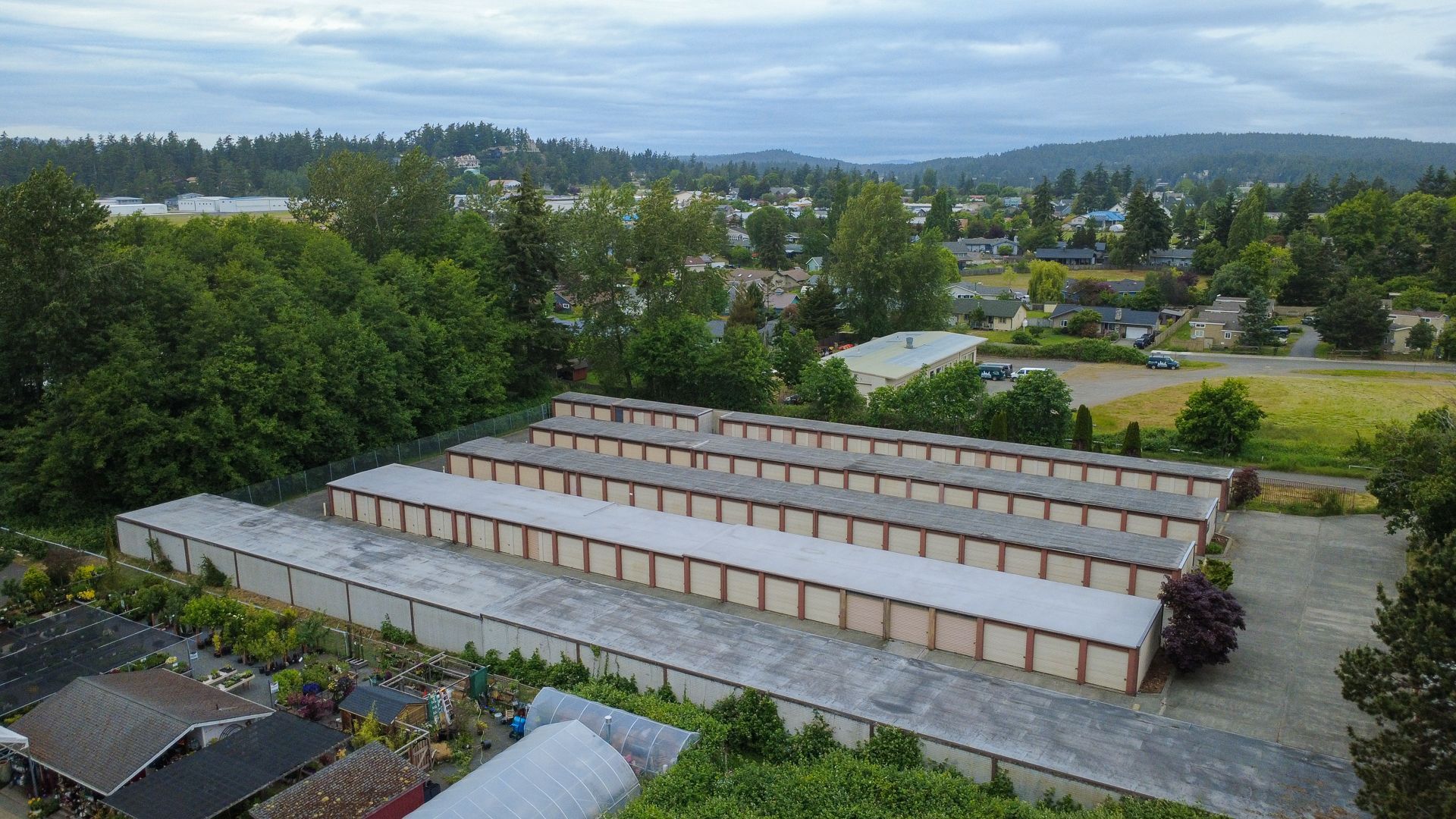
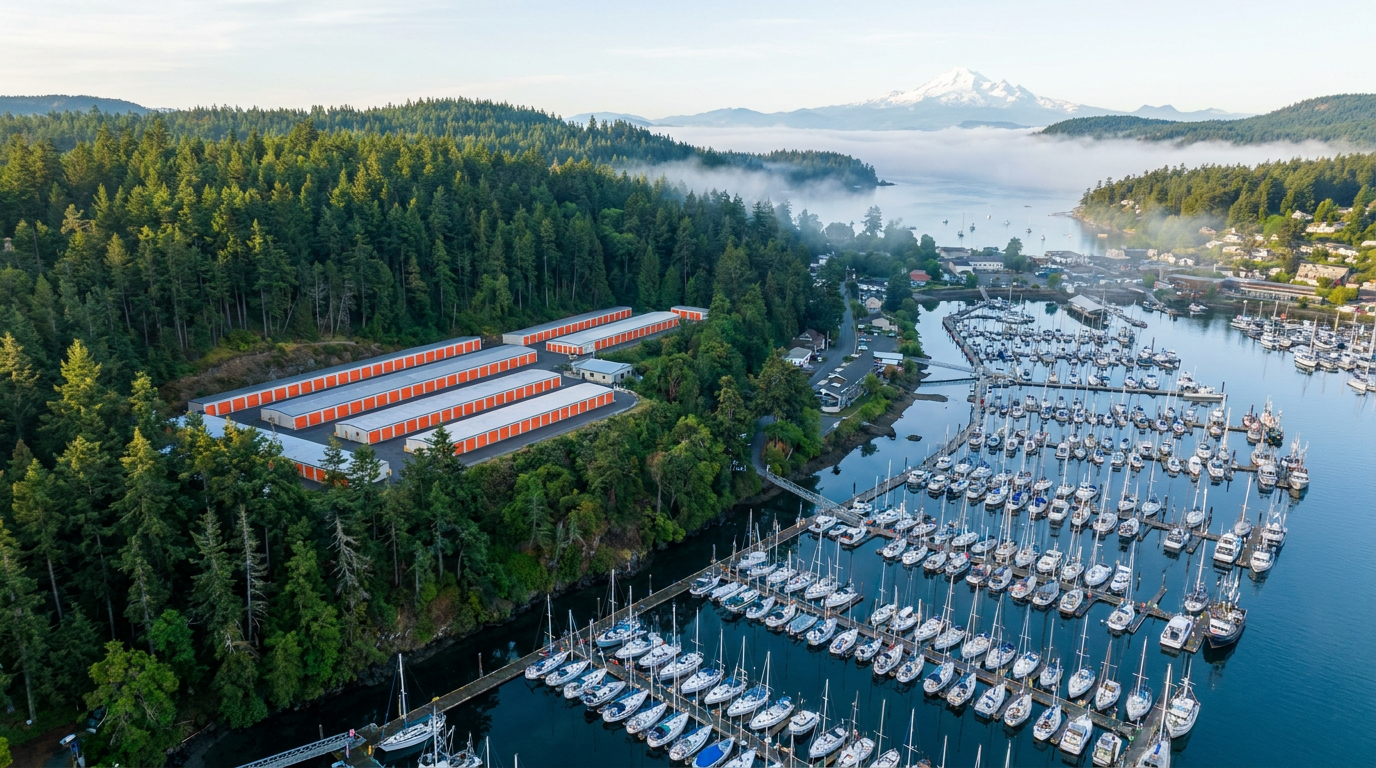
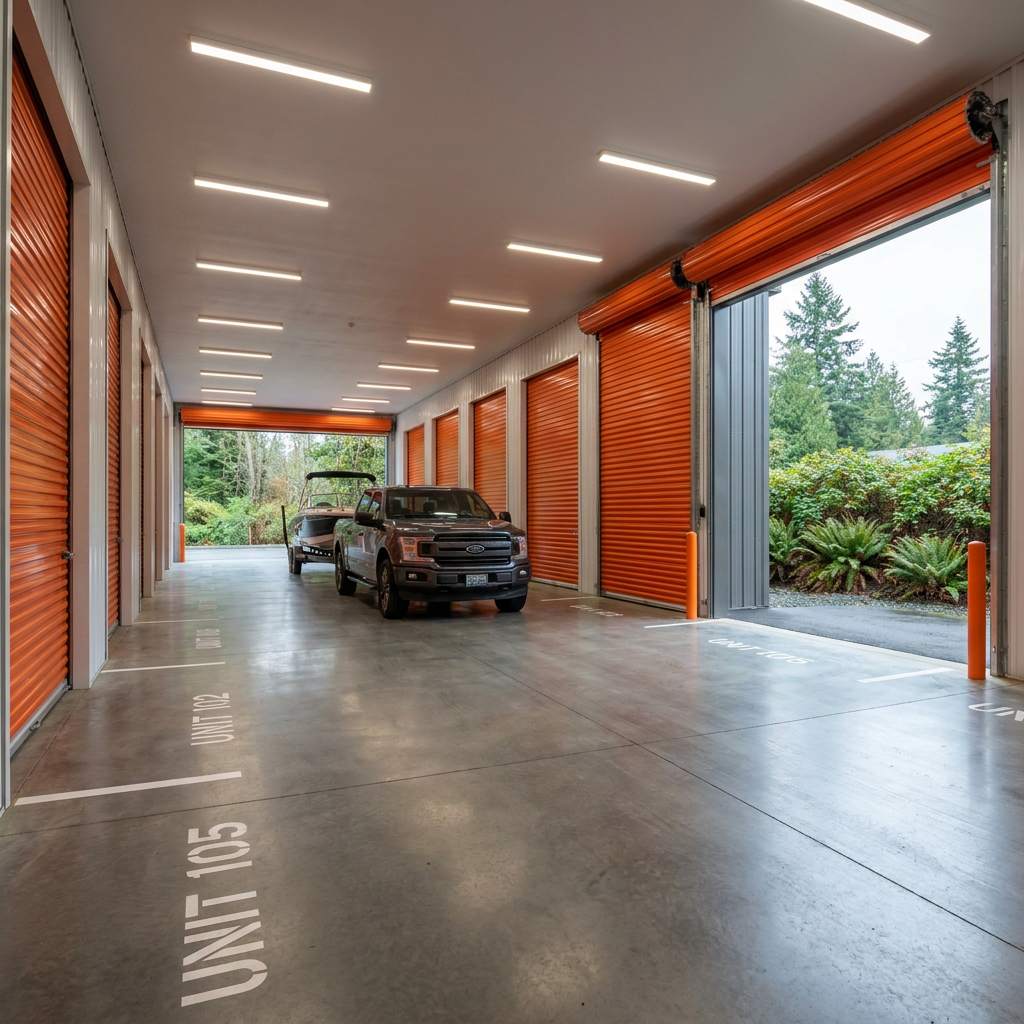
Marina dry-storage on San Juan Island commands premium rates, often $300 to $500 monthly for covered slips. Open-air parking at Friday Harbor Storage's boat and vehicle parking area provides a significantly more affordable alternative for trailerable boats, cars, motorcycles, and utility trailers.
The 10x20 paved parking spaces accommodate most boats under 20 feet on single-axle trailers. The flat, fully paved lot makes backing in straightforward, and security cameras monitor the gated perimeter around the clock. For seasonal residents who trailer their boat to the island each summer, this option eliminates the hassle of finding street parking or negotiating with marinas.
Motorcycles and second vehicles also benefit from dedicated parking. Island residents who keep a mainland car at the Anacortes ferry terminal often want secure storage for a motorcycle or island-only vehicle. Month-to-month terms mean you can scale up during boating season and release the space in winter.
Drive-Up Access: Why It Matters on an Island
Every unit at Friday Harbor Storage features drive-up, ground-level access. This design eliminates elevators, hallways, and stairs entirely. You pull your vehicle directly to your unit door, unload, and leave.
For island logistics, this matters more than it might on the mainland. Moving companies charge premium rates for ferry crossings, so most residents handle their own loading. Carrying a 150-pound dresser up a flight of stairs after a 90-minute ferry ride is not practical. Ground-level roll-up doors let you slide heavy items straight from a truck bed into the unit.
Contractors benefit equally. A plumber retrieving a water heater at 6 AM before a job can load and go in minutes. Retail shop owners restocking seasonal inventory avoid the time sink of navigating indoor corridors.
24-Hour Access for Ferry-Dependent Schedules
Washington State Ferries runs limited schedules outside peak season. The last ferry from Anacortes to Friday Harbor often departs around 8 PM, and the first morning sailing may not arrive until 7:30 AM. Traditional storage facilities with office hours of 9 AM to 5 PM create problems for anyone catching early or late boats.
24-hour storage access solves this constraint. The controlled-access gate accepts your personal code at any hour. A contractor arriving on the 6:30 AM ferry can retrieve tools before the first job site opens. A seasonal resident catching the last evening ferry can drop off gear without racing the clock.
Security does not suffer from extended access. LED lighting illuminates the property after dark, and surveillance cameras record activity continuously. The gated entry logs each access event, creating an audit trail if questions arise.
Business and Contractor Storage Solutions
San Juan Island's economy relies heavily on construction, hospitality, and retail businesses that need flexible storage. Business and contractor storage at Friday Harbor Storage accommodates tools, materials, inventory, fixtures, and work vehicles without long-term commitments.
According to the Self Storage Association industry data compiled by Extra Space Storage, commercial tenants represent a growing segment of the self-storage market, with small businesses increasingly using storage units as overflow inventory space. On an island where commercial real estate is scarce and expensive, a 10x20 unit can function as a cost-effective warehouse annex.
Month-to-month terms let businesses scale with seasonal demand. A landscaping company might rent a 10x25 unit from April through October, then downsize to a 5x10 for winter equipment. Restaurants storing holiday decorations or extra furniture need not commit to year-long leases.
Tenant Protection Plans: What Is Covered
Standard renters insurance policies often exclude items in off-site storage. The SafeLease tenant protection plan available at Friday Harbor Storage fills this gap with coverage for burglary, fire, water damage (including mold and mildew), rodent damage, vandalism, and building collapse.
The plan carries a $100 per-claim deductible, but this is waived for burglary claims when tenants use a cylinder or disc padlock. Coverage extends to stored vehicles, boats, and trailers, which matters for the parking spaces.
Exclusions include flood, surface water, mysterious disappearance, and high-value items like jewelry, firearms, currency, and antiques. Tenants storing such items should verify coverage with their personal insurance provider.
How to Choose the Right Unit for Your Needs
Start by inventorying what you plan to store. Measure large furniture pieces and count boxes. A typical moving box measures 18 inches on each side, stacking 4-5 high safely. A 5x10 unit holds roughly 50 to 60 standard boxes plus a few furniture items.
Consider access frequency. If you visit weekly to retrieve tools or inventory, prioritize a unit near the gate. If you store items for months between visits, location within the facility matters less than size accuracy.
Evaluate climate sensitivity. Friday Harbor's maritime climate keeps temperatures moderate (rarely below 32°F or above 80°F), but humidity runs high. Items like electronics, leather furniture, and paper documents benefit from moisture-absorbing packets or plastic bins with tight seals. The outdoor drive-up units at Friday Harbor Storage are not climate-controlled, so plan accordingly for humidity-sensitive belongings.
Frequently Asked Questions About Friday Harbor Storage
What size storage unit do I need for a one-bedroom apartment?
A 5x10 unit (50 square feet) typically accommodates the contents of a studio or small one-bedroom apartment, including a mattress set, dresser, small sofa, and 20-30 boxes. Larger one-bedroom units with full-size furniture may require a 10x10.
How much do storage units cost in Friday Harbor, WA?
Pricing varies by unit size and availability. Small units (5x4, 5x10) generally start around $65 to $95 monthly, while larger units (10x20, 10x25) range from $355 to $425. Check the Friday Harbor Storage FAQ or call (360) 865-5817 for current rates.
Can I store a boat at Friday Harbor Storage?
Yes. Open-air 10x20 parking spaces accommodate trailerable boats, typically those under 20 feet on single-axle trailers. This provides an affordable alternative to marina dry-storage rates.
Is 24-hour access really available?
Yes. The controlled-access gate accepts tenant codes 24 hours a day, 7 days a week. This accommodates early ferry arrivals and late departures common to island schedules.
Do I need a long-term lease?
No. All units rent month-to-month with no deposit required. This flexibility suits seasonal residents and businesses with fluctuating storage needs.
What cannot be stored in a self-storage unit?
Prohibited items include hazardous materials, flammable substances, explosives, perishable food, living plants or animals, stolen goods, firearms, and biological or medical waste. Review facility rules before storing any questionable items.
Storage Options for Orcas, Lopez, and Shaw Island Residents
Neighbor-island residents face an additional ferry hop to reach Friday Harbor. The inter-island ferry connects Orcas, Lopez, Shaw, and San Juan Islands, but schedules are limited. Planning storage trips around ferry times requires coordination.
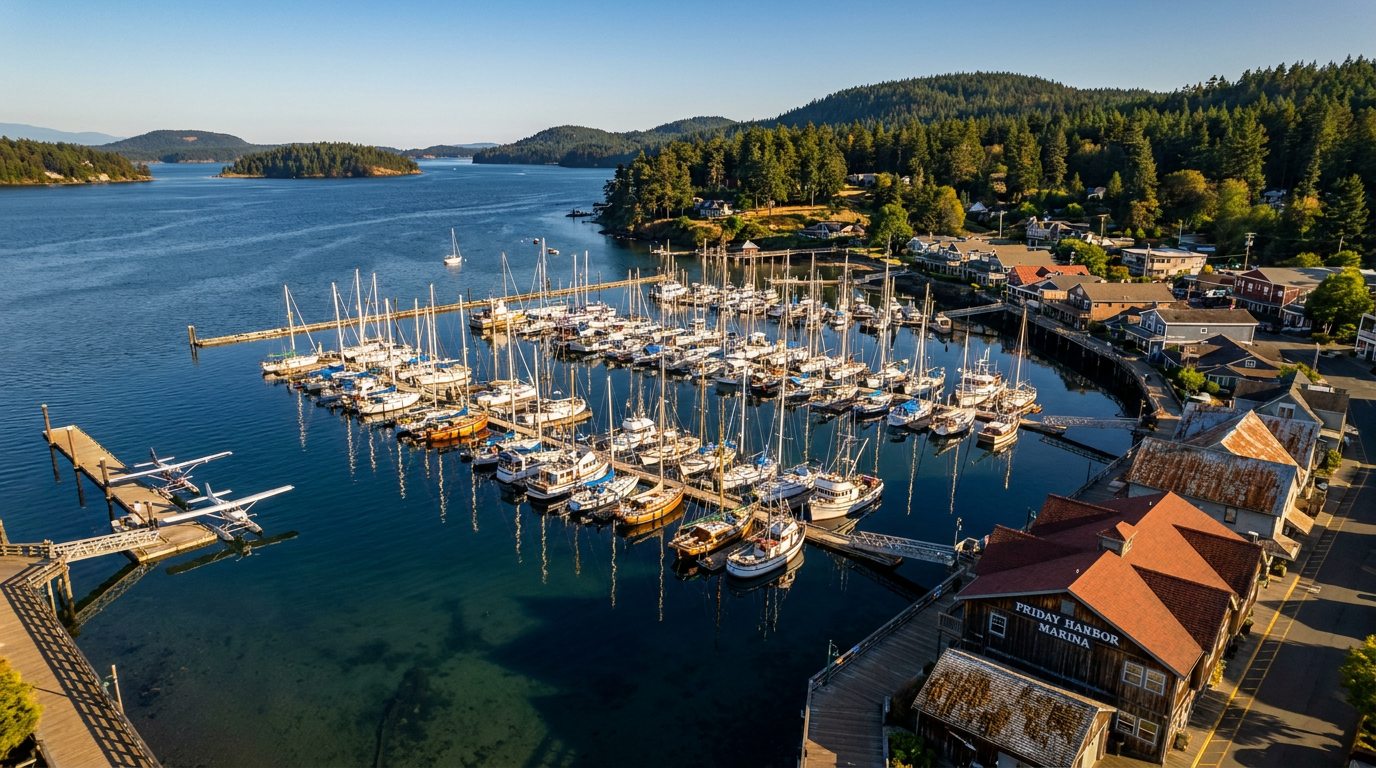
Despite this, Friday Harbor remains the most practical storage location for the San Juan archipelago. San Juan Island storage serves as the hub because Friday Harbor has the largest commercial infrastructure in the county. Orcas and Lopez Islands lack dedicated self-storage facilities of comparable scale.
For Orcas Island residents, the inter-island ferry to Friday Harbor takes approximately 25 minutes. Lopez Island residents face a similar crossing time. Combining storage trips with Friday Harbor grocery shopping or hardware store visits maximizes efficiency.
Comparing Friday Harbor Storage to Mainland Alternatives
Some island residents consider renting storage in Anacortes or Mount Vernon to save money. While mainland rates may appear lower, the math often favors local storage when factoring in ferry costs and time.
A round-trip ferry reservation from Friday Harbor to Anacortes costs approximately $60 to $80 for a standard vehicle (rates vary seasonally). Add fuel, wait times, and 3-4 hours of travel, and the savings evaporate quickly. Accessing mainland storage monthly adds $720 to $960 annually in ferry costs alone.
Local storage eliminates these expenses. The 845 Argyle Avenue location sits within a 5-minute drive of downtown Friday Harbor, the ferry terminal, and most island neighborhoods. For frequent-access needs, proximity outweighs any marginal rate difference.
Tips for Maximizing Your Storage Space
Efficient packing extends the utility of any unit size. Stack boxes with heaviest items on the bottom and label all sides for easy identification. Create aisles if you need regular access to items in the back.
Disassemble furniture when possible. Removing table legs, bed frames, and shelving units reduces footprint significantly. Store hardware in labeled bags taped to the corresponding furniture piece.
Use vertical space. Most units have 8 to 10 feet of ceiling height. Sturdy shelving units or stacking bins triple your effective capacity compared to floor-only storage. Place frequently accessed items near the door and seasonal items toward the back.
Protect against humidity. Even without climate control, plastic bins with tight lids, silica gel packets, and furniture covers reduce moisture damage. Avoid cardboard boxes for long-term storage of fabrics or paper documents.
|